Ultimate Guide to Manuel Antonio National Park: Trails, Beaches, and Capacity Rules
Meta Title: Complete Guide to Manuel Antonio National Park: Trails, Beaches & Capacity
Meta Description: Plan your visit to Manuel Antonio National Park in Costa Rica. Discover trail highlights, pristine beaches, entry capacity rules, and practical tips.
Primary Keywords: Manuel Antonio National Park, Manuel Antonio trails, Manuel Antonio beaches, SINAC capacity rules, Costa Rica national parks
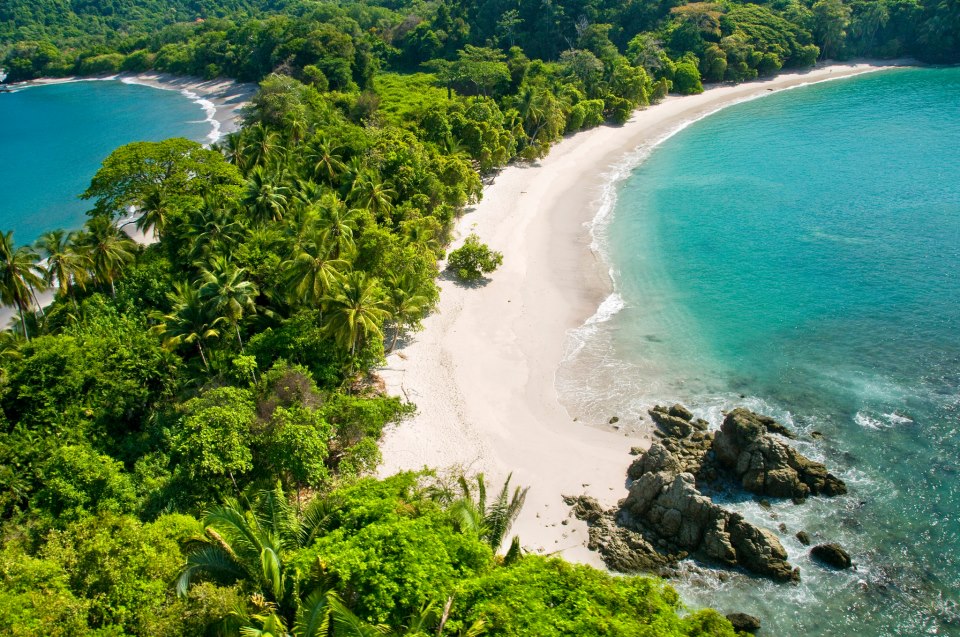
Manuel Antonio National Park packs Costa Rica’s highest biodiversity-per-square-mile into a compact coastal sanctuary on the Central Pacific coast. Where lush primary rainforest plunges directly into turquoise coves, two-toed sloths share the canopy with white-faced capuchin monkeys, while secluded beaches offer calm Pacific waters.
Because of its worldwide popularity, visiting requires strategic planning around entry rules, daily visitor caps, and trail navigation.
Capacity Control and Entry Rules (SINAC Regulations)
To protect fragile ecosystems and reduce human impact on wildlife, Costa Rica’s National System of Conservation Areas (SINAC) enforces strict visitor limits and booking protocols.
-
Mandatory Online Reservation: Tickets cannot be purchased at the park gate. All visitors must buy entry tickets in advance through the official SINAC online portal with an assigned entry time slot.
-
Strict Daily Caps: Daily visitor capacity is strictly regulated to prevent trail overcrowding. Early morning slots (7:00 AM – 9:00 AM) fill up weeks ahead during peak dry season (December through April).
-
Identity Verification: Entry tickets are non-transferable and require each visitor’s legal name and passport number. Bring your original passport (or a clear photo ID) for check-in at the main gate.
-
Closed on Tuesdays: Manuel Antonio is closed every Tuesday throughout the year to give wildlife and maintenance crews a rest period.
-
Zero Single-Use Plastics & Food Ban: To stop monkeys and coatis from foraging human food, SINAC prohibits single-use plastic bottles, snack bags, and outside meals. Only reusable aluminum or silicone water bottles and prepared baby food are permitted. Bags are checked at the entrance.
Best Trails in Manuel Antonio
The park features an accessible network of elevated boardwalks and natural dirt trails suitable for varying fitness levels.
 Puntarenas & Puerto Caldera Shore Excursions: The Ultimate Costa Rica Wildlife & Port Guide
Previous