
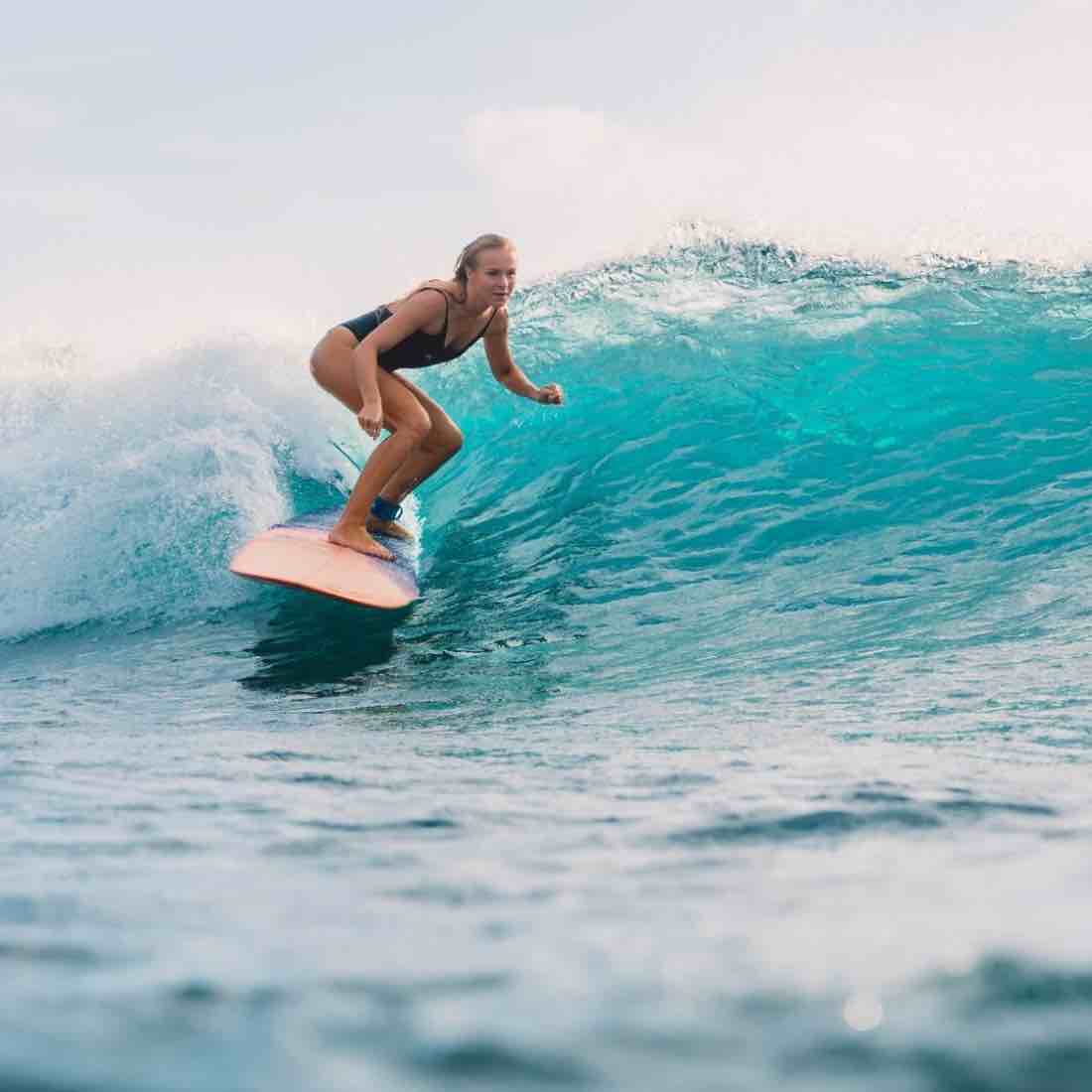
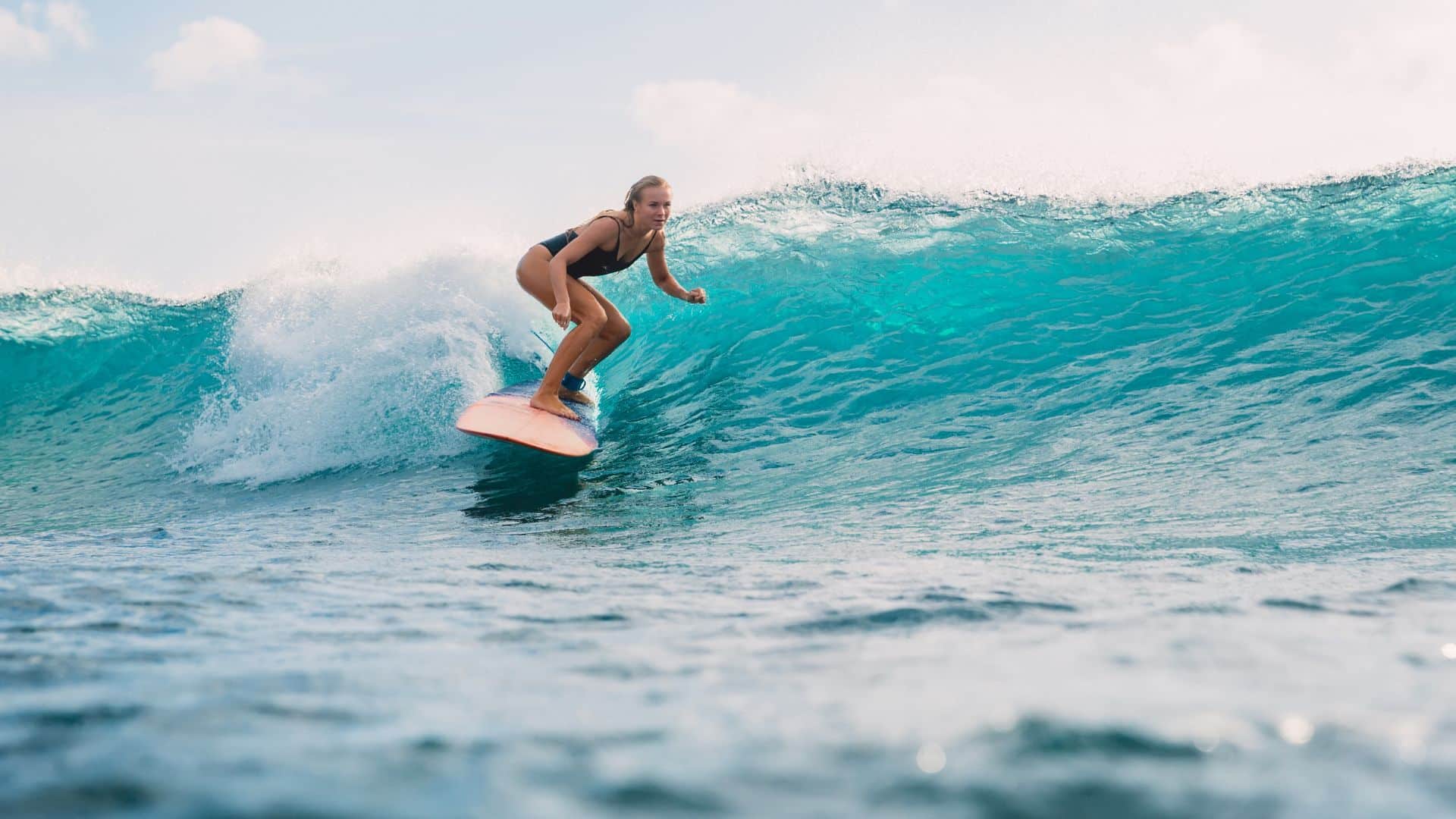
Costa Rica Surf Guide: Tamarindo, Jacó & Santa Teresa for Beginners and Advanced Surfers
Target Keyword: Costa Rica surf guide
Secondary Keywords: surf Tamarindo Costa Rica, surfing Jaco beach, Santa Teresa surf spots, beginner surfing Costa Rica, advanced surf Costa Rica
Meta Description: Discover where to catch the best waves in Costa Rica. Our comprehensive surf guide breaks down Tamarindo, Jacó, and Santa Teresa for beginners and advanced surfers.
Costa Rica remains one of the world’s premier wave capitals, delivering consistent Pacific swells, bath-warm water year-round, and surf breaks suitable for every skill level. Choosing the right base depends entirely on your experience on a board: while a beginner needs gentle, rolling whitewash over a soft sand bottom, an advanced surfer seeks hollow barrels,fast reef sections, and powerful overhead swells.
Three iconic coastal towns—Tamarindo, Jacó, and Santa Teresa—anchor Costa Rica’s surf scene, each catering to both ends of the skill spectrum through distinct regional breaks.
At a Glance: Surf Spot Breakdown
1. Tamarindo: Guanacaste’s Gold Coast
Located in the northwestern province of Guanacaste, Tamarindo is an internationally recognized surf hub known for lively nightlife, extensive amenities, and immediate access to both sheltered beginner spots and world-famous outer breaks.
For Beginners: Soft Beach Breaks and Gentle Sandbars
-
The Break: The central and southern stretch of Playa Tamarindo sits protected inside a wide bay. Waves here break slowly over a smooth sand bottom, creating predictable waist-high rollers ideal for learning pop-ups and trimming down the line.
-
Tide Window: Mid to high tide is optimal; low tide can expose shallow rocky reefs near the river mouth.
-
Why It Works: With dozens of ISA-certified instructors and board rental shops right on the sand, finding quality instruction is effortless.
For Advanced Surfers: Heavy River Mouths & Legendary Boat Trips
-
The Breaks:
-
Playa Grande: Located directly across the Tamarindo estuary, Playa Grande catches significantly more south and southwest swell, producing fast, punchy peaks with solid barrel sections.
-
Witch’s Rock (Roca Bruja) & Ollie’s Point (Potrero Grande): Accessible via day-charter boats departing from Tamarindo or Playas del Coco into Santa Rosa National Park. Witch’s Rock features hollow, tubular lefts and rights breaking alongside an offshore volcanic monolith, while Ollie’s Point serves up right-hand point breaks.
-
-
Skill Requirement: Fast takeoffs, strong paddling endurance, and experience handling heavy rip currents.
2. Jacó: Central Pacific Power and Convenience
Sitting under two hours from Juan Santamaría International Airport (SJO), Jacó offers the most accessible waves in the country alongside a bustling surf town packed with amenities.
For Beginners: Jacó South (El Madrigal)
-
The Break: The crescent shape of Jacó Bay diffuses incoming swells toward the southern end of the beach. While the center of town can feature heavy shorebreak, the southern corner offers knee-to-waist-high white water with minimal current.
-
Tide Window: Rising mid-tide to high tide prevents closeouts and gives plenty of room to practice inside riding.
-
Why It Works: The soft sand bottom and sheltered geography make it a forgiving training ground to build ocean confidence before stepping up in size.
For Advanced Surfers: Playa Hermosa
-
The Break: Just 10 minutes south of Jacó lies Playa Hermosa, a world-renowned stretch of dark sand that hosts international surfing championships. Hermosa operates as an open-ocean swell magnet with heavy, shifting sandbars delivering hollow, unforgiving, overhead barrels.
-
Key Peaks: El Almendro (The Almond Tree), Backyard, and Tulin.
-
Skill Requirement: Expert board control and high duck-diving stamina. Hermosa breaks hard in shallow water and features intense rip currents; it is not suitable for beginners or intermediate surfers without local guidance.
3. Santa Teresa: Punchy Waves on the Nicoya Peninsula
Santa Teresa blends dusty roads, jungle-meets-ocean scenery, and consistent wave energy. Because the coastline faces the open Pacific with minimal obstruction, Santa Teresa picks up nearly every south, southwest, and northwest swell.
For Beginners: Playa Carmen
-
The Break: Situated at the intersection between Mal País and Santa Teresa, Playa Carmen offers long, gradual beach break waves that break further outside, rolling gently into the inside zone.
-
Tide Window: Mid to high tide provides the cleanest transitions and the softest drops.
-
Why It Works: Playa Carmen offers a sandier bottom with fewer exposed volcanic rock clusters than the northern stretch of Santa Teresa, giving beginners safe room to wipe out without hitting reef.
For Advanced Surfers: Santa Teresa Beach Breaks & Reef Outliers
-
The Breaks:
-
Playa Santa Teresa: Fast, steep, and hollow. The waves break close to the beach over dynamic sandbars,providing vertical faces for high-performance maneuvers and fast barrel exits.
-
Suck Rock & Secret Spots: Rocky points and shallow reef slabs around Mal País and north of Santa Teresa create steep, barreling right-handers that fire on solid south swells.
-
-
Skill Requirement: Quick drop-ins, speed generation down the line, and spatial awareness to navigate submerged volcanic rocks during low and mid-tide sessions.
Essential Travel Tips for Your Surf Trip
-
Seasons Matter:
-
Green Season (May to November): Brings the biggest South/Southwest swells (chest-high to double-overhead), cleanest morning offshore winds, and rainy afternoons. Prime time for advanced surfers.
-
Dry Season (December to April): Features smaller, cleaner swells, blue skies, and steady offshore Papagayo winds in Guanacaste. Ideal for beginners and intermediate progression.
-
-
Board Selection:
-
Beginners should start on an 8’0” to 9’0” foam longboard (soft-top) for stability and paddle power.
-
Experienced surfers should pack a daily driver shortboard (performance squash or round tail) alongside a step-up board with extra volume for handling Hermosa or large swell days at Playa Grande.
-
-
Sun & Reef Protection: Bring zinc-based reef-safe sunscreen, a snug UV rashguard, and reef booties if you plan to surf rocky point breaks at low tide.
