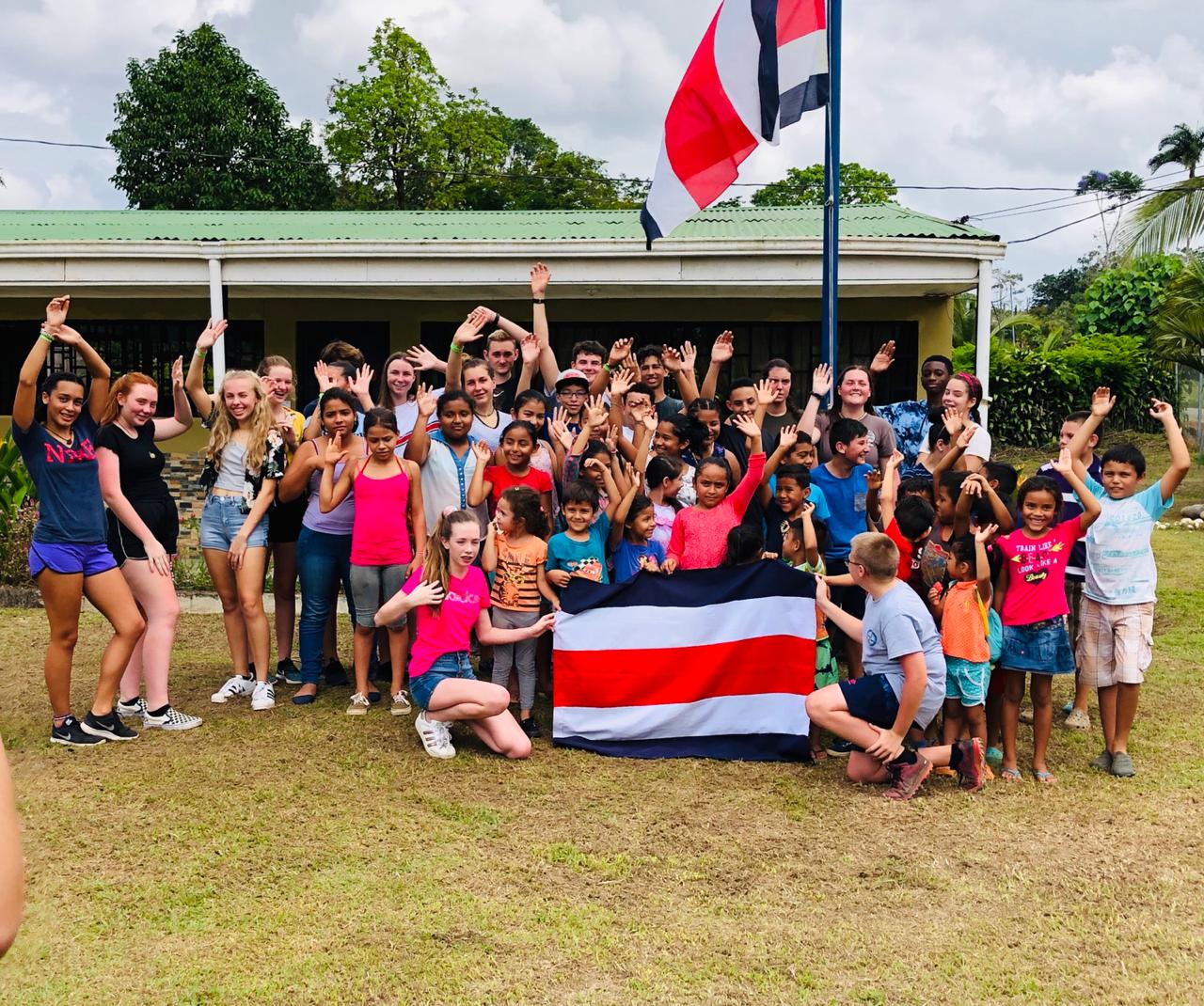
Educational Trips to Costa Rica – Student Travel
Educational Trips to Costa Rica – Student Travel
Costa Rica: A Global Destination for Educational Travel
Costa Rica is a premier destination for educational trips, and Greenway Tours offers a wide variety of Student Travel Programs tailored to explore the country’s wonders.
Geography and Biodiversity
Despite its small size—just 51,100 square kilometers, roughly the size of West Virginia—Costa Rica holds 6% of the planet’s total biodiversity. This small territory is home to more than 500,000 animal species and approximately 9,000 species of vascular plants. Furthermore, nearly 25% of the country is protected through a robust system of national parks and biological reserves.
Located in the equatorial zone (between 8° and 11° 15′ N latitude and 82° and 86° W longitude), Costa Rica is a distinctly tropical nation. As one of the smallest countries in Latin America, it serves as the “bridge of the continent,” featuring the narrowest point between the Pacific Ocean and the Caribbean Sea—a distance of only 322 kilometers (200 miles). This privileged position provides the country with two unique coastlines: 1,016 kilometers of Pacific shoreline and 212 kilometers along the Caribbean.
Geological History: Bridge, Barrier, and Filter
Approximately 40 million years ago, this landmass did not exist; the area was an interoceanic channel connecting the Pacific and the Caribbean. However, being part of the Ring of Fire, intense tectonic and volcanic activity eventually led to the accumulation of lava and the emergence of new land.
This geological shift created a barrier that separated the oceans, leading to marine speciation as species adapted to their isolated habitats. Simultaneously, it formed a biological bridge between North and South America, allowing species from both continents to migrate and mix. While it served as a bridge for many, it acted as a biological filter for others due to climate, food availability, or geographical obstacles. This complex history explains why Costa Rica is a world-renowned hub for scientists, explorers, and students.
A Tradition of Peace and Innovation
Beyond its nature, students visit to learn about Costa Rica’s tradition of peace. With over 200 years of independence, it is one of the few countries in the world without a standing army, operating under a stable democratic system that serves as an international model.
Costa Rica’s global impact includes:
-
Nobel Peace Prize: Awarded to former President Oscar Arias Sánchez in 1987 for his efforts to pacify Central America.
-
Space Exploration: Costa Rican-born Dr. Franklin Chang, a NASA Hall of Fame astronaut, holds the record for the most space missions (7). He currently operates a laboratory in Costa Rica developing plasma engines for future missions to Mars—a facility open to student groups by appointment.
-
Technology: The country hosts high-tech Intel laboratories, where cutting-edge micro-components are developed.
Key Educational Projects and Destinations
1. Sea Turtle Conservation
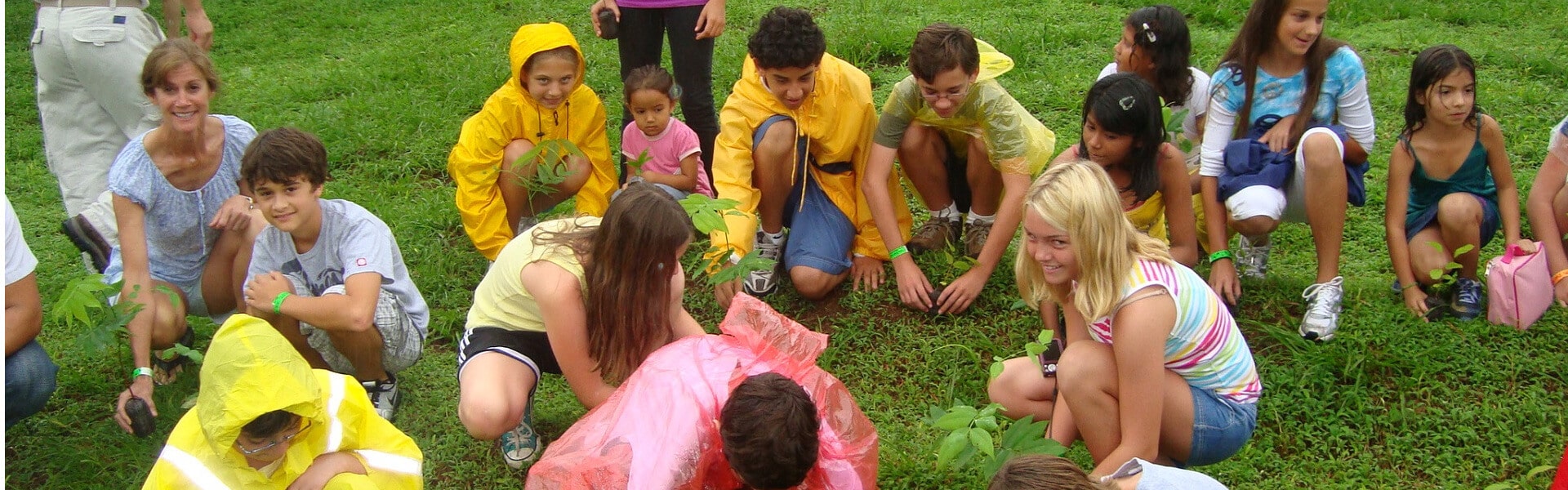
Costa Rica is a nesting site for five species of sea turtles. At locations like Tortuguero, Playa Nancite, and Playa Grande, students can witness the arribadas (mass nestings). Through various conservation projects, students can actively participate in nest protection and hatchling releases.
2. Wildlife Rescue and Rehabilitation
Due to urban expansion, many wild animals require medical attention. Refuges like Project ASIS and the Animal Refuge work to rehabilitate and release injured wildlife back into their natural habitats. Similarly, La Paz Waterfall Gardens offers a world-class center where students can observe and learn about local fauna.
3. Arenal Volcano & Northern Region
The Arenal area is a hub for both nature and adventure:
-
La Fortuna Waterfall: A community-managed park perfect for hiking and swimming.
-
Mistico Park: Features impressive hanging bridges through the canopy.
-
Sky Adventures: Offers a cable car, zipline canopy tours, and professional naturalist insights.
4. Rio Celeste & Tenorio National Park
Famous for its “light blue” water, Rio Celeste owes its unique color to an optical effect caused by minerals on the riverbed. The park features stunning waterfalls, trails, and hot springs.
5. Sarapiquí Rainforest
One of the most biodiverse regions in the country, Sarapiquí is ideal for observing wildlife. Popular activities include professional naturalist tours and the Chocolate Tour, where students learn about the history and production of cacao.
6. Monteverde Cloud Forest
Founded in the 1950s by Quakers seeking a peaceful life away from armed conflict, Monteverde is now a global model for conservation. Its private biological reserves protect rare species and highlight the success of sustainable livestock and environmental projects.
For more student travel options, visit our website: https://greenwaytours.com/costa-rica-student-travel/