


Sea Turtle Nesting in Tortuguero: When and Where
Key takeaways
- Green sea turtles nest at Tortuguero from July through October, with peak activity in August and September.
- Leatherback turtles nest earlier, roughly March through July, so the two species barely overlap.
- Tortuguero is the largest green turtle nesting site in the Western Hemisphere, averaging tens of thousands of nests each season.
- You cannot walk the nesting beach at night without a certified guide, and cameras, phones, and flashlights are banned.
- The village has no road access, so you arrive by boat or small plane from San Jose.
Green sea turtles nest on Tortuguero's Caribbean beach from July through October, with the heaviest activity in August and September. Leatherbacks arrive earlier, roughly March to July, so planning a trip around Tortuguero sea turtle nesting comes down to picking the right month for the species and the stage, nesting or hatching, that you most want to witness.
This remote village on Costa Rica's northeast coast sits at the heart of one of the most important turtle conservation stories in the Americas. Below you will find the nesting and hatching calendar, how guided night tours work, what you can see on the canals during the day, and how to reach the village without a car.
Why Tortuguero is Costa Rica's premier turtle destination
Tortuguero National Park protects about 76,937 hectares of marine and terrestrial habitat, combining coastal rainforest, freshwater canals, and a long stretch of dark-sand nesting beach (Tortuguero National Park). That beach is the largest green turtle nesting aggregation in the Western Hemisphere, which is the single reason most travelers put the village on their itinerary.
The scale is hard to overstate. Long-term monitoring by the Sea Turtle Conservancy, which has tracked the beach for more than five decades, recorded a mean of roughly 78,695 green turtle clutches per year, with annual counts swinging widely from year to year (Sea Turtle Conservancy). Few places on Earth concentrate that many nesting females on a single beach.
The park is more than turtles. It supports 442 bird species, 138 mammal species, and 118 reptile species across its wetlands and forest, which is why a visit tends to turn into a broader wildlife trip rather than a single-night event.
Nesting and hatching seasons for green and leatherback turtles
Timing is everything here, because you are working with two different species on two different calendars.
Green turtles: July to October
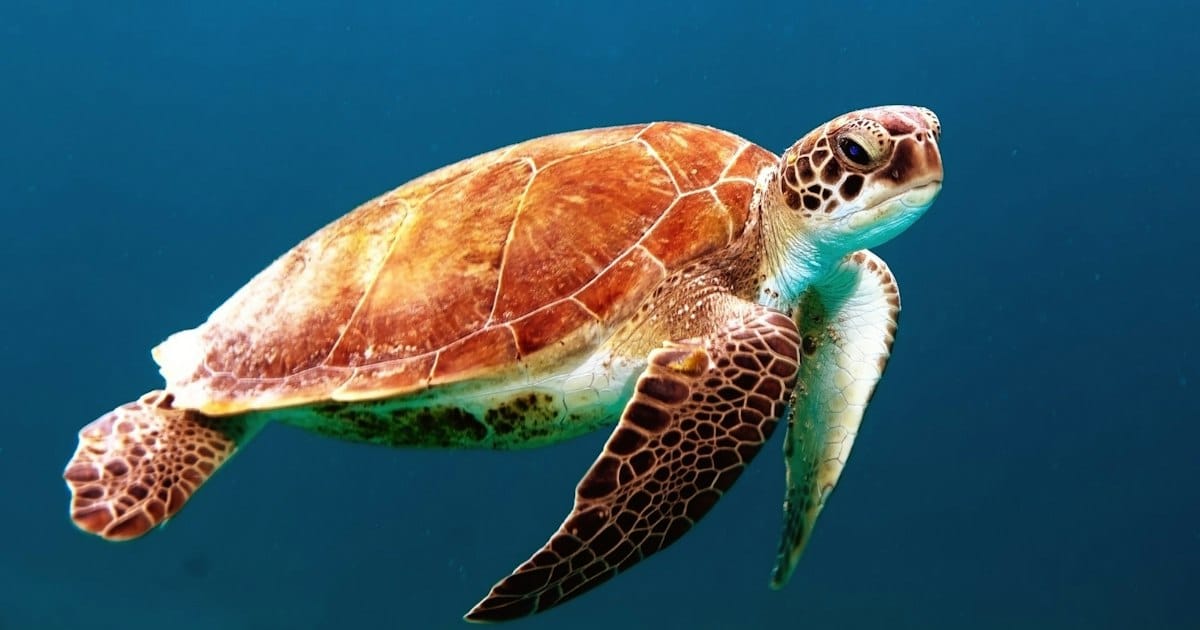
Green turtles are the headline. Their nesting season runs July through October, and if you want the best odds of seeing a female haul herself up the beach to lay eggs, August and September are the months to target. During peak weeks, guides lead groups out night after night with a strong chance of an encounter.
Leatherbacks: roughly March to July
Leatherbacks, the largest sea turtles in the world, come ashore earlier in the year, broadly from March into July. Their numbers at Tortuguero are far smaller than the green turtle crowds, so sightings are less predictable, but the sheer size of a leatherback makes an encounter unforgettable. Because the leatherback season tapers off as the green turtle season ramps up, the two barely overlap.
When the hatchlings emerge
Eggs incubate in the sand for about 60 days before hatchlings break out and scramble toward the surf. For green turtles, that means hatchling activity builds from roughly mid-September and continues into November. If watching dozens of tiny turtles make their first run to the ocean appeals to you more than seeing a nesting adult, plan for October or November instead of the mid-summer nesting peak.
Hawksbill and loggerhead turtles also nest at Tortuguero in smaller numbers, which adds variety for travelers who visit during the shoulder weeks.
How guided night tours protect turtles and the beach
Watching a turtle nest here is a tightly managed experience, and that structure is the point. The rules exist because artificial light and foot traffic can cause a female to abandon a nesting attempt and can send hatchlings crawling the wrong way, inland instead of toward the water.
Expect these conditions on a night tour:
- Access to the nesting beach after 6:00 PM is limited to groups led by certified local guides. Walking the beach alone at night is not allowed.
- Cameras, cell phones, and flashlights are banned on the beach. No flash photography under any circumstances.
- Wear dark-colored clothing so you blend into the night and do not startle animals.
- Guides keep groups small and quiet, and they position everyone behind the turtle so she is not disturbed while laying.
These restrictions can feel strict if you arrived hoping for photos, but they are the reason the beach remains viable for nesting decade after decade. A knowledgeable guide also reads the beach for you, finding tracks and judging when a turtle has settled into laying, the moment when approaching is safe. When you book a Tortuguero extension through Greenway Nature Tours, the night walk is arranged with those licensed local guides, so the logistics and conservation rules are handled before you arrive.
Exploring Tortuguero's canals by boat for wildlife
Turtles draw people in, but the daytime canals are what many travelers remember most. Tortuguero's network of freshwater waterways threads through dense rainforest, and because there are no roads, boats double as both transport and safari vehicle.
A slow early-morning paddle or a quiet motorized skiff gives you a chance to spot:
- Spider and howler monkeys moving through the canopy
- Caimans resting along the banks
- Herons, kingfishers, toucans, and a long list drawn from the park's 442 recorded bird species
- Three-toed sloths and the occasional river otter
Going out at dawn rewards you with cooler air, calmer water, and far more active wildlife than the midday heat allows. Guided boat tours keep noise and wake low, which protects nesting birds and keeps the experience immersive. If you are building a longer Costa Rica trip around nature, Tortuguero pairs naturally with other wildlife-rich stops such as the Monteverde cloud forest, giving you both Caribbean lowland and highland ecosystems in one itinerary.
How to reach this remote Caribbean village responsibly
Tortuguero's isolation is part of why its wildlife thrives, and it shapes how you get there. There is no road into the village, so every visitor arrives by water or air.
You have two realistic options:
- By boat. The common route is to drive to a river dock such as La Pavona, then take a boat the rest of the way through the canals, a trip of roughly an hour. This is the most affordable approach and gives you a scenic introduction to the waterways before you even reach your lodge.
- By small plane. A short domestic flight from San Jose lands near the village in a fraction of the time. It costs more, but it saves most of a day and suits travelers on tight schedules.
Because the destination is fragile and the access points are limited, arranging transfers in advance matters more here than at most Costa Rica destinations. Boats run on schedules, lodges coordinate pickups, and getting the timing wrong can cost you a full day. Building Tortuguero into a planned route, as you would with custom Costa Rica tours, removes the guesswork and keeps your trip aligned with the turtle calendar.
Traveling responsibly also means choosing operators who follow the beach rules, support local guides, and keep boat traffic low on the canals. The conservation model that made Tortuguero famous only holds if visitors respect it.
The simplest next step is to decide which you care about more, nesting adults or emerging hatchlings, then lock your dates to match. Book August or September for nesting and October or November for hatchlings, arrange your licensed night walk and canal tour together, and confirm your boat or flight transfer before you commit to lodging. Get those three pieces right and Tortuguero delivers one of the most memorable wildlife experiences in Costa Rica.
Frequently asked questions
What is the best time to see sea turtles nesting in Tortuguero?
August and September are the most reliable months for green turtle nesting. If you want to see hatchlings instead, aim for October and November.
Can you visit the nesting beach without a guide?
No. Access to the nesting beach after 6:00 PM is restricted to tours led by certified local guides, and unaccompanied night access is not permitted.
Are cameras allowed on Tortuguero turtle tours?
No. Cameras, cell phones, and flashlights are banned on the beach at night because light disorients nesting turtles and hatchlings.
How do you get to Tortuguero?
There is no road to the village. You travel by boat from a river dock such as La Pavona, or by a short domestic flight from San Jose.
What sea turtle species nest at Tortuguero?
Green turtles are the headline species, with leatherbacks nesting earlier in the year. Hawksbill and loggerhead turtles also nest in smaller numbers.
