


Manuel Antonio National Park: Visitor Guide & Tips
Key takeaways
- Manuel Antonio National Park is open Tuesday through Sunday, 7 a.m. to 4 p.m., and closed on Mondays, so plan your visit around that schedule.
- Tickets are sold online through the official SINAC portal, not at the gate, so book before you arrive.
- Arrive at opening to see the most wildlife and avoid the midday heat and crowds on the trails.
- A certified naturalist guide spots sloths, monkeys, and birds you would almost certainly walk right past on your own.
- The park protects 1,953 land hectares plus 25,634 marine hectares, including three beaches and a remnant squirrel monkey population of about 1,500 individuals.
Manuel Antonio National Park is open Tuesday through Sunday from 7 a.m. to 4 p.m., closed on Mondays, and you buy tickets online in advance rather than at the gate. This Manuel Antonio National Park guide walks you through the wildlife, the trails and beaches, how tickets and hours work, and the small decisions that separate a packed, sweaty afternoon from a calm morning full of sloths and monkeys.
Set on Costa Rica's central Pacific coast, the park packs an unusual amount into a compact area. According to Costa Rica's official tourism board, it protects 1,953 land hectares and a much larger 25,634 marine hectares, so you get rainforest, reef, and beach in one visit. That combination, plus easy access and reliable wildlife sightings, is why it ranks among the most visited parks in the country.
What to Expect From Costa Rica's Most Famous Park
The first thing to understand is scale. Manuel Antonio is small and walkable, with a main gravel path leading from the entrance toward the beaches and several shorter trails branching off. You do not need to be an experienced hiker. Most visitors cover the core loop in two to four hours at an easy pace, with plenty of stops to look up into the canopy.
The second thing is the crowd. Because the park is famous and close to the beach town of Quepos, it draws a steady stream of visitors. Costa Rica caps daily entry to protect the forest, so once you have your ticket the trails never feel like a theme park, but the entrance and the main beach get busy by late morning. Timing your visit matters more here than at most parks.
Expect humidity. This is lowland tropical forest, warm and sticky most of the year. Bring water, wear light clothing, and plan for sweat even on a short walk.
Wildlife You Will See: Sloths, Monkeys, and Birds
Wildlife is the main reason people come, and Manuel Antonio delivers. The park is home to both two-toed and three-toed sloths, which hang almost motionless high in the trees. They are the single hardest animal to spot on your own and the one guides find fastest with a scope.
Monkeys are the other headline act. You will likely hear howler monkeys before you see them, their deep roar carrying through the forest at dawn. White-faced capuchins are bolder and often appear near the beaches, where they have learned that bags contain food. Keep snacks sealed and never feed them.
The park also shelters a remnant population of Central American squirrel monkeys. Costa Rica's tourism board notes that recent census work counted only about 1,500 individuals of this threatened subspecies, which makes a sighting here genuinely special. Add iguanas basking on branches, crabs scuttling across the sand, and a long list of birds including toucans and trogons, and most visitors leave with more sightings than they expected.
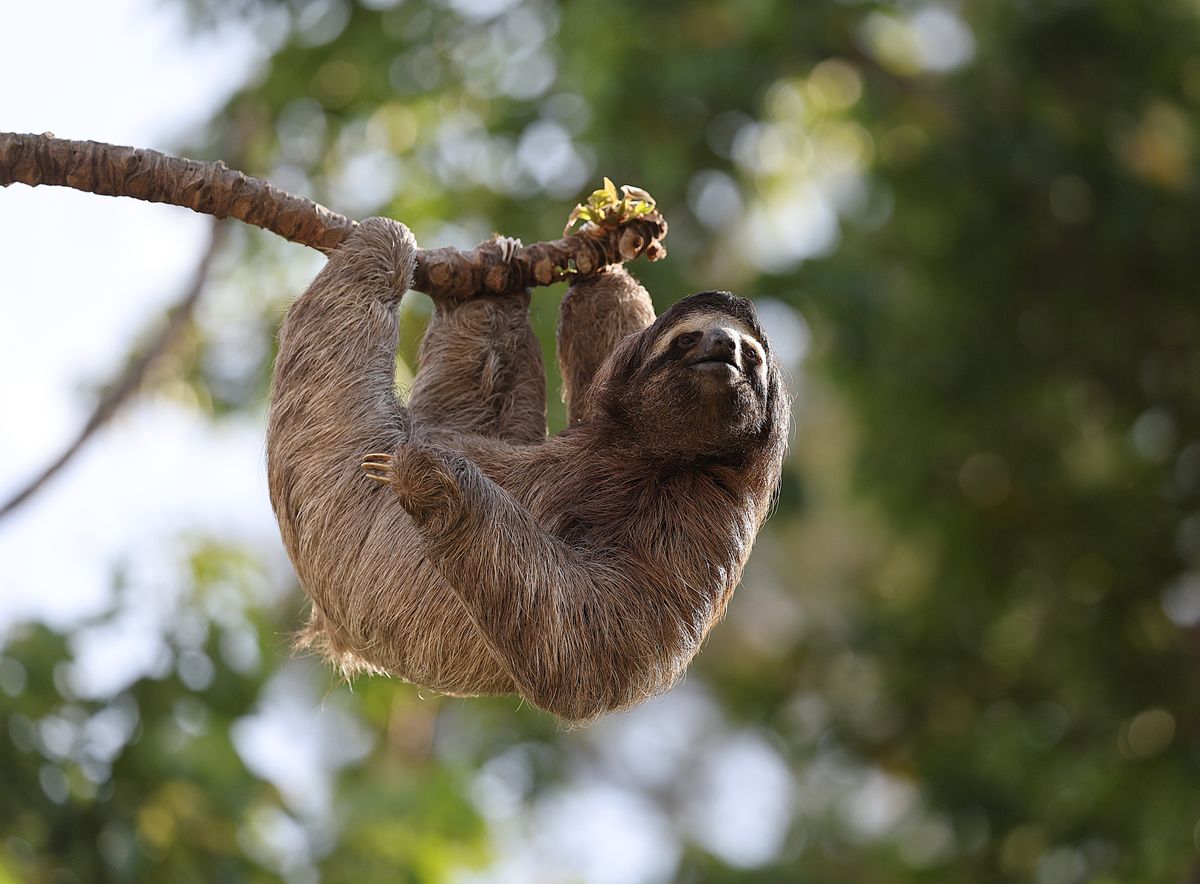
Responsible viewing keeps these animals wild. Watch quietly, keep your distance, and resist the urge to lure animals closer with food. As a certified sustainable operator, Greenway Nature Tours builds low-impact wildlife etiquette into every guided walk, because the sightings everyone comes for depend on animals that are not stressed or conditioned by people.
Best Trails, Beaches, and Viewpoints Inside the Park
The main trail runs from the entrance toward the coast and connects to the beaches, so you can combine forest walking with time on the sand in a single loop. Side trails climb to viewpoints over the Pacific and out toward the park's offshore islands, which reward the short extra effort with some of the best coastline views in the country.
The park contains three beaches: Espadilla Sur, Manuel Antonio, and Puerto Escondido. Playa Manuel Antonio is the postcard favorite, a curved white-sand cove with calm, swimmable water that sits a short walk from the entrance. Espadilla Sur is wider and quieter, and the trail between them is one of the better stretches for spotting monkeys and sloths. Puerto Escondido is more secluded and tide-dependent, so check conditions before heading that way.
A few practical notes for the beaches:
- Bring a dry bag. Capuchins and raccoons raid unattended belongings.
- Pack reef-safe sunscreen and apply it before you arrive, since swimming is part of most visits.
- Shade is limited on the sand, so plan your beach time around the cooler hours.
Entry Tickets, Hours, and Why a Guide Is Worth It
The park is open 7 a.m. to 4 p.m., Tuesday through Sunday, and closed on Mondays. Last entry is in the afternoon, so an early start gives you the most time inside.
Tickets are sold online through Costa Rica's official national park system, not at the entrance. You buy them in advance through the SINAC reservation portal, where current prices for foreign visitors, residents, and children are listed. Because the park does not sell tickets at the gate, booking ahead is not optional. Do it before you travel, especially in the busy dry season.
A guide is the upgrade that changes the day. The wildlife that makes Manuel Antonio famous is often camouflaged, high up, and sleeping, which means you can walk right under a sloth and never see it. Certified naturalist guides carry high-powered scopes, know the regular resting spots, and read the forest for movement you would miss. They also handle the context, explaining the behavior and conservation story behind what you are looking at.
If you want a guide who also understands sustainable practice, Greenway Nature Tours runs day tours that pair expert spotting with low-impact, certified operations. For travelers arriving by ship, the central Pacific coast also connects to cruise shore excursions that can be built around a park visit.
Where to Stay and How to Beat the Crowds
Most visitors base themselves in and around Quepos and the hillside road leading to the park. Options run from budget hostels in town to upscale lodges perched above the coast with ocean views. Staying close means you can reach the entrance at opening without a long early-morning drive.
Beating the crowds comes down to timing:
- Arrive at 7 a.m. opening. Animals are most active in the cool early hours, and the trails are quietest before the mid-morning tour groups arrive.
- Visit midweek if your schedule allows, since weekends draw more domestic visitors.
- Aim for the dry season, roughly December through April, for the most reliable weather, and expect bigger crowds during that window and around holidays.
- Book tickets in advance so you are not scrambling for availability on a busy day.
Manuel Antonio pairs naturally with other regions, so many travelers fold it into a longer loop. If you are mapping a route, the cloud forest around Monteverde and the volcano country near Arenal and La Fortuna make strong inland companions for a coastal park day.
The single best next step is to lock in your park tickets and an early start. Book your SINAC entry for a Tuesday-through-Sunday morning, line up a certified guide for the wildlife, and you will have given yourself the quiet, sighting-rich version of Manuel Antonio that most day-trippers miss.
Frequently asked questions
How much does it cost to enter Manuel Antonio National Park?
Entry requires a ticket purchased in advance through the official SINAC online portal. Prices differ for foreign visitors, residents, and children, so check the current rate on the SINAC site before you book, since the park does not sell tickets at the gate.
What day is Manuel Antonio National Park closed?
The park is closed on Mondays. It is open to the public from 7 a.m. to 4 p.m., Tuesday through Sunday.
Do I need a guide to visit Manuel Antonio?
You can enter without a guide, but a certified naturalist guide carries a spotting scope and knows where the sloths, monkeys, and birds tend to rest, so you will see far more wildlife than exploring alone.
What is the best time of day to visit Manuel Antonio National Park?
Arrive right at the 7 a.m. opening. Animals are most active in the cool early hours, the trails are quieter, and you beat both the midday heat and the largest tour crowds.
What wildlife will I see at Manuel Antonio?
Common sightings include two-toed and three-toed sloths, white-faced capuchin and howler monkeys, iguanas, and many bird species. The park also protects a small, threatened population of Central American squirrel monkeys.
