

Guanacaste Beaches: A Guide to the Gold Coast
Key takeaways
- Guanacaste has a dry tropical climate, and December through April is the driest, sunniest stretch for beach weather.
- Playa Conchal and Playa Hermosa suit calm swimming, while Tamarindo, Playa Grande, and Nosara draw surfers of every level.
- Las Baulas National Marine Park protects leatherback nesting beaches, and Ostional hosts massive olive ridley arribadas.
- Tamarindo and the Gulf of Papagayo work well as home bases for catamaran trips, snorkeling, and volcano day tours.
Guanacaste beaches sit along Costa Rica's northern Pacific coast, where a dry tropical climate delivers more sunshine than anywhere else in the country. This stretch, often called the Gold Coast, mixes calm swimming bays, world-class surf, and protected nesting beaches within a short drive of each other. The region draws steady international traffic through Liberia's airport, and it rewards travelers who plan around its distinct dry and green seasons.
Below is a practical walkthrough of the coastline, the best beaches by activity, the wildlife areas worth your time, and the smartest base towns for day trips.
What Makes Guanacaste's Climate and Coastline Different?
In 2026, Liberia's Daniel Oduber Quiros International Airport handled 698,079 international arrivals from January through July, a 13.3% increase over the same period in 2025 (People of Costa Rica, 2026). That growth tracks closely with the region's reputation for dependable beach weather.
Guanacaste holds Costa Rica's only true tropical dry forest. The climate splits cleanly into two seasons. The dry season runs December through April, when the Pacific coast stays sunny and warm. The green season runs May through November, with the heaviest rain in September and October.
Daytime temperatures in the dry season usually sit between 80 and 93 degrees Fahrenheit. April is the hottest month. The coastline itself runs for miles of bays, headlands, and river mouths, which is why one beach can be glassy and calm while the next has rolling surf.
Which Guanacaste Beaches Are Best for Swimming, Surfing, and Sunsets?
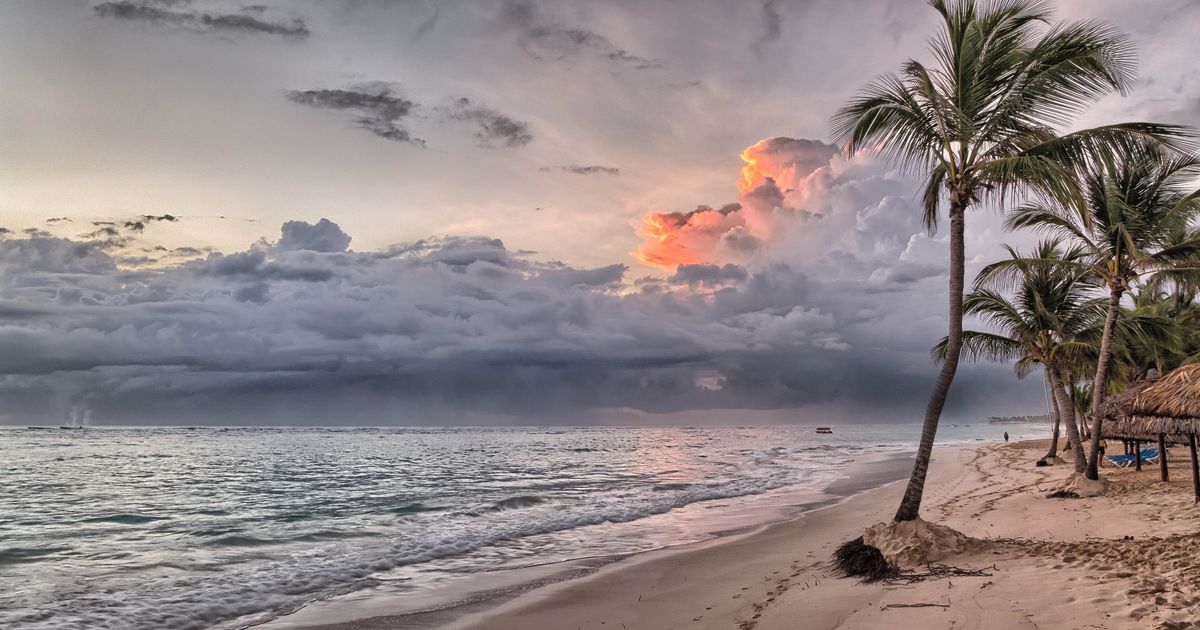
The Gold Coast earns its name partly from its beaches, which range from powdery shell sand to long surf breaks. Different beaches suit different travelers, so it helps to match each spot to what you actually want to do.
For calm swimming, Playa Conchal stands out. Its sand is made largely of crushed shells, and the water runs clear and turquoise. Playa Hermosa and Playa Panama, both tucked inside sheltered bays, offer gentle conditions that work well for families and weaker swimmers.
For surfing, Tamarindo is the headline town and a reliable place to learn. Stronger, more consistent waves break at Playa Grande, Playa Avellanas, and the Nosara area near Playa Guiones. Experienced surfers chase the point break at Witches Rock inside Santa Rosa National Park.
For sunsets, the west-facing coast is hard to beat. Tamarindo, Playa Flamingo, Playa Grande, and Nosara all deliver wide, unobstructed views of the sun dropping into the Pacific.
What Wildlife Refuges and National Parks Protect the Region?
Guanacaste's protected areas rank among its biggest draws, and the turtle nesting sites are the headline. In 2026, Ostional Wildlife Refuge recorded a historic arribada of 347,000 olive ridley turtles over a span of more than 50 days (The Tico Times, 2026). Officials described the event as unprecedented.
Ostional is one of the most important olive ridley nesting sites on Earth, and arribadas happen there in waves through much of the year. Visits are tightly managed to protect the turtles, so a licensed local guide is required.
Las Baulas National Marine Park, which includes Playa Grande near Tamarindo, protects a critical leatherback turtle nesting beach. Nesting season runs roughly October through March, and night tours operate under strict rules.
Inland, Rincon de la Vieja National Park centers on an active volcano with hot springs, mud pots, and waterfalls. Santa Rosa National Park, Costa Rica's first, preserves dry forest and the famous surf at Playa Naranjo. Palo Verde National Park, along the Tempisque River, is a standout for birdwatching.
How to Plan Day Trips from Tamarindo and the Gulf of Papagayo
Tamarindo and the Gulf of Papagayo make the two strongest home bases, because both put a cluster of beaches, tours, and parks within easy reach. From either spot, you can fill several days without long transfers.
Tamarindo works as a central hub. Catamaran cruises run up and down the coast, snorkeling trips head out to the Catalina Islands, and road tours reach Rincon de la Vieja and Palo Verde in a single day. The town itself has the widest range of restaurants and surf schools on the coast.
The Gulf of Papagayo, north of Liberia, is calmer and more sheltered. Its bays suit snorkeling, diving, and kayaking, and Playa Panama and Playa Hermosa anchor the area. Because the gulf sits close to the airport, it is an easy first or last stop.
Building a route that links beaches, a volcano, and a wildlife refuge takes some logistics. Greenway Nature Tours arranges custom Costa Rica itineraries that combine Guanacaste beach time with guided day trips, so the driving and timing are handled for you.
When Should You Visit for the Best Beach Weather?
For the most reliable sun, aim for the dry season between December and April, with February and March offering the driest and sunniest conditions. These months bring clear skies, warm water, and minimal rain, which makes them the peak window for beach travel on the Gold Coast.
The trade-off is crowds and higher prices, especially around Christmas, New Year, and Easter week. If you prefer fewer people, the shoulder windows of May, June, and early November can be rewarding. You get greener scenery and better rates, with rain that usually falls in short afternoon bursts.
September and October are the wettest months and the hardest sell for a pure beach trip, though they coincide with peak turtle activity at some sites. Matching your travel dates to your priorities, whether that is guaranteed sun or wildlife, is the single most useful planning decision you can make.
To lock in good conditions, pick your dates first, then build the trip around them. A good next step is to sketch a rough route linking two or three beaches with one wildlife or volcano day, and share it with a local operator who can confirm what is realistic in your window.
Frequently asked questions
What is the best time to visit Guanacaste beaches?
The dry season from December through April brings the most reliable sunshine. February and March are the driest and sunniest months, which makes them ideal for swimming and sunbathing.
Which Guanacaste beach is best for swimming?
Playa Conchal and Playa Hermosa are popular for swimming thanks to their calm, protected water. Playa Panama inside the Gulf of Papagayo is another sheltered option with gentle conditions.
Where can I surf in Guanacaste?
Tamarindo is the best-known surf town and suits beginners. Playa Grande, Playa Avellanas, and Nosara offer stronger, more consistent breaks for intermediate and advanced surfers.
Can you see sea turtles on Guanacaste beaches?
Yes. Playa Grande in Las Baulas National Marine Park is a key leatherback nesting beach, and Ostional Wildlife Refuge hosts large olive ridley arribadas where thousands of turtles come ashore.
