
Where to See the Resplendent Quetzal in Costa Rica: Top Spots & Travel Guide
Primary Keyword: where to see resplendent quetzal Costa Rica
Secondary Keywords: quetzal birdwatching Costa Rica, San Gerardo de Dota quetzals, Monteverde Cloud Forest birding, best time to see quetzals
Meta Description: Discover the best places in Costa Rica to spot the Resplendent Quetzal in the wild. Compare San Gerardo de Dota, Monteverde, and Los Quetzales National Park.
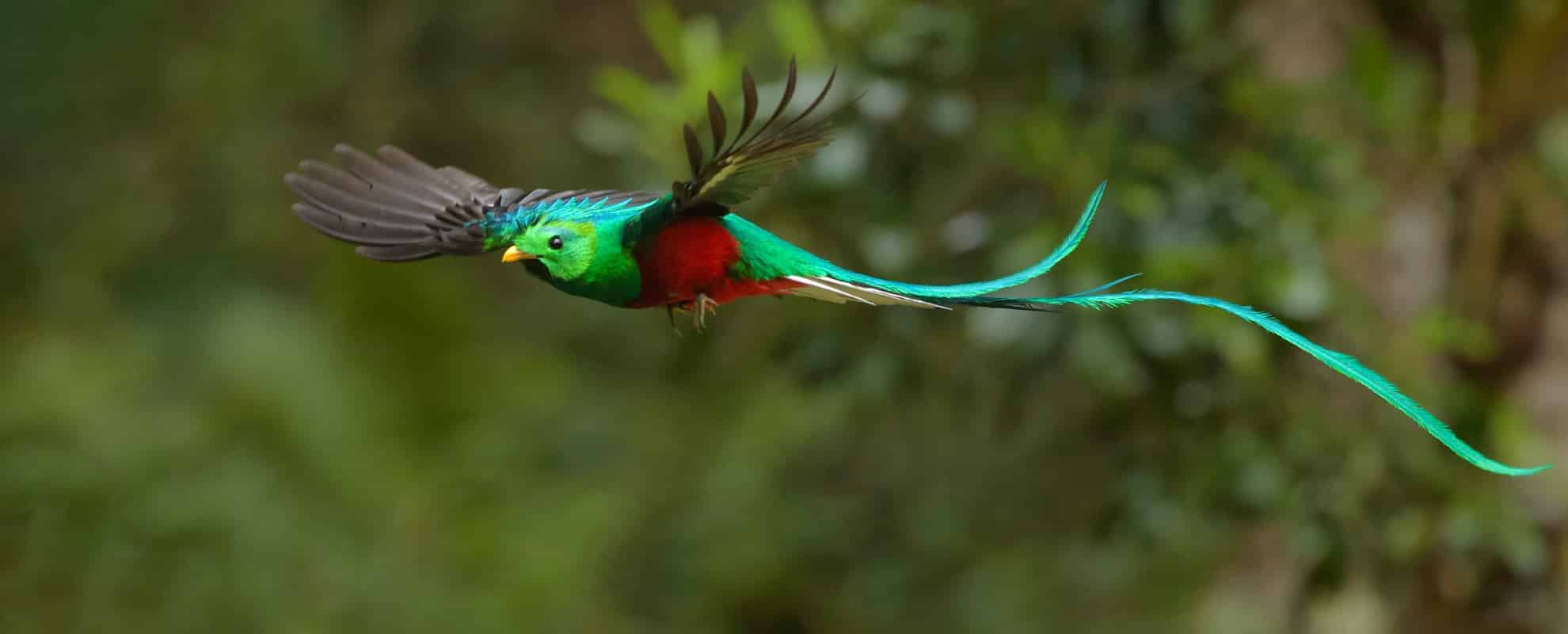
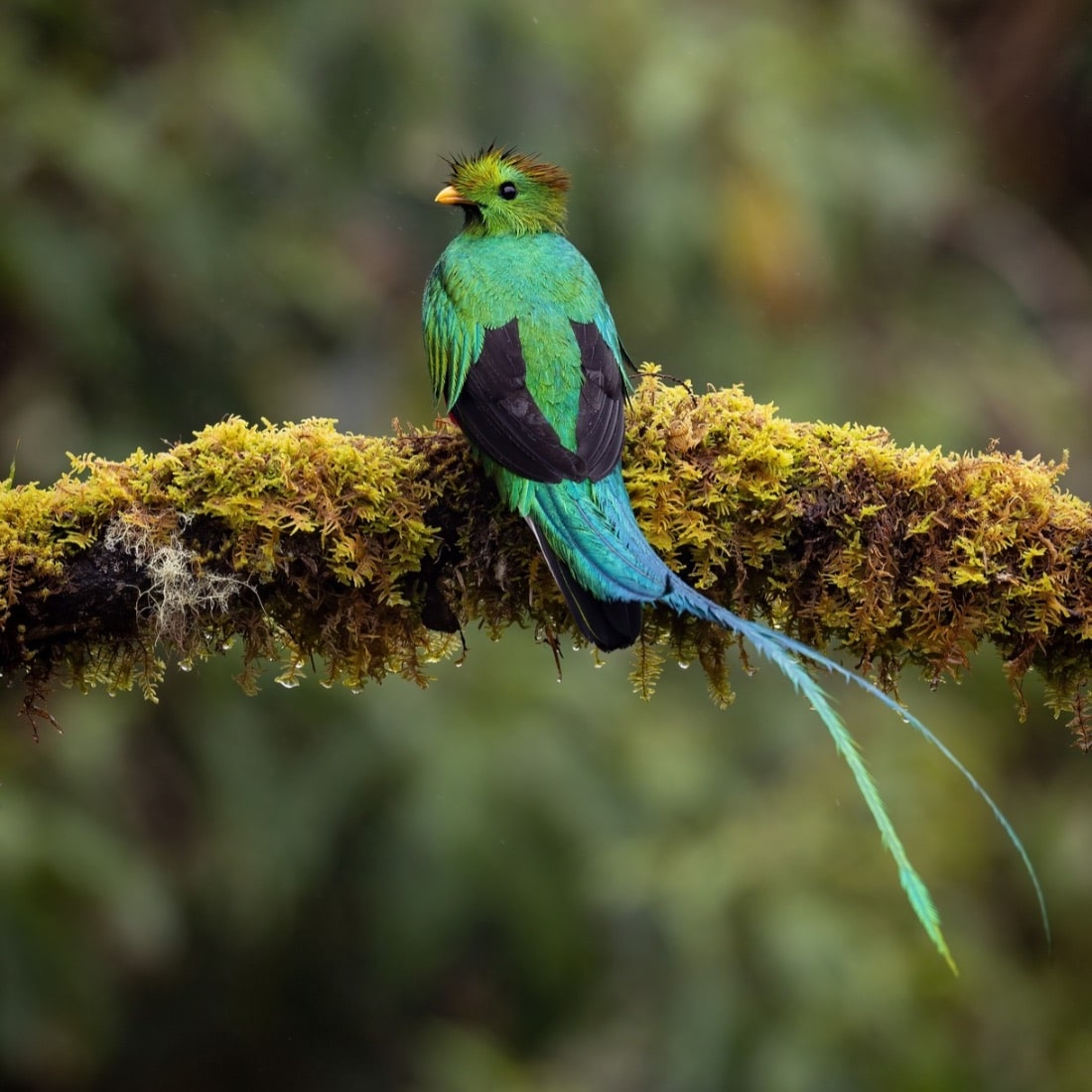
The Resplendent Quetzal (Pharomachrus mocinno) is often regarded as one of the most striking avian species on the planet, prized by birders for its shimmering emerald plumage, crimson breast, and twin tail covert plumes that can exceed two feet in length.
Because quetzals require high-elevation cloud forests abundant with wild avocados (aguacatillo), their distribution is localized. Costa Rica remains the most reliable and accessible destination in the world to observe them in their natural habitat.
1. San Gerardo de Dota (The Quetzal Capital)
Tucked deep inside the Savegre River Valley in the Talamanca Mountain Range, San Gerardo de Dota is widely considered the premier location in Central America for quetzal sightings.
-
Why it ranks highest: The valley is dense with fruiting aguacatillo trees, creating an ideal feeding ground.Sightings here are frequent year-round, often directly along lodge trails or roadside orchards.
-
Elevation: ~2,200 meters (7,200 feet).
-
Insider Tip: Morning bird walks departing between 5:30 AM and 6:30 AM yield the highest sighting probabilities,as the birds actively forage during the first hours of daylight before cloud cover thickens.
2. Los Quetzales National Park
Established in 2005 to protect crucial cloud forest and sub-alpine paramo ecosystems, Los Quetzales National Parkspans over 12,000 acres across San José and Puntarenas provinces.
-
Habitat & Experience: Characterized by towering oak forests laden with bromeliads, mosses, and orchids. The park offers rugged hiking trails ranging from gentle interpretive paths to steep descents toward the Savegre watershed.
-
Birding Profile: In addition to the Resplendent Quetzal, the park provides habitat for Highland Tinamous, Fiery-throated Hummingbirds, and Timberline Wrens.
-
Accessibility: Easily reached directly off the Inter-American Highway (Route 2), roughly 75 km south of San José.
3. Monteverde Cloud Forest Reserve & Santa Elena
While famous for misty canopies and suspension bridges, the Monteverde region offers significant quetzal encounters,particularly during seasonal migrations.
-
Best Viewing Windows: Quetzals move between the Pacific and Atlantic slopes following fruit availability. In Monteverde, sighting frequencies surge between February and May during the active nesting cycle.
-
Recommended Spots:
-
Monteverde Cloud Forest Biological Preserve: Focus along the Wilford Guindon and Sendero Bosque Nuboso trails.
-
Curi-Cancha Reserve: Offers lower-density foliage and more open clearing edges, which frequently provides clearer sightlines for wildlife photographers.
-
Santa Elena Cloud Forest Reserve: Higher elevation, often less crowded, with dense epiphyte growth.
-
4. Poás Volcano Vicinity & Vara Blanca
For travelers on tight itineraries who cannot make the trip to the Talamanca Range or Monteverde, the cloud forests flanking the slopes of Poás Volcano and the village of Vara Blanca offer accessible alternatives.
-
Distance: Under 1.5 hours from Juan Santamaría International Airport (SJO).
-
Key Locations: Forest corridors along the slopes between Vara Blanca and Cinchona, as well as private preserves bordering Braulio Carrillo National Park’s higher elevations.
Best Time of Year to Spot Quetzals
While non-migratory populations reside in Costa Rica throughout the year, observation conditions vary by month:
Key Tips for Successful Field Sightings
-
Hire a Local Certified Naturalist: Quetzals blend seamlessly into the mid-story canopy despite their vibrant colors. Local guides carry high-powered spotting scopes and communicate with local monitors to locate active feeding trees.
-
Listen for Their Distinct Call: A two-note whistle often described as a soft, melancholy “kyow” or a rapid cackling chatter when startled.
-
Pack Weather-Appropriate Gear: Mountain cloud forests drop below 10°C (50°F) in the early mornings. Bring moisture-wicking layers, a waterproof shell, and rain protection for camera bodies and lenses
